
Riḍván
A New Chapter for Humanity

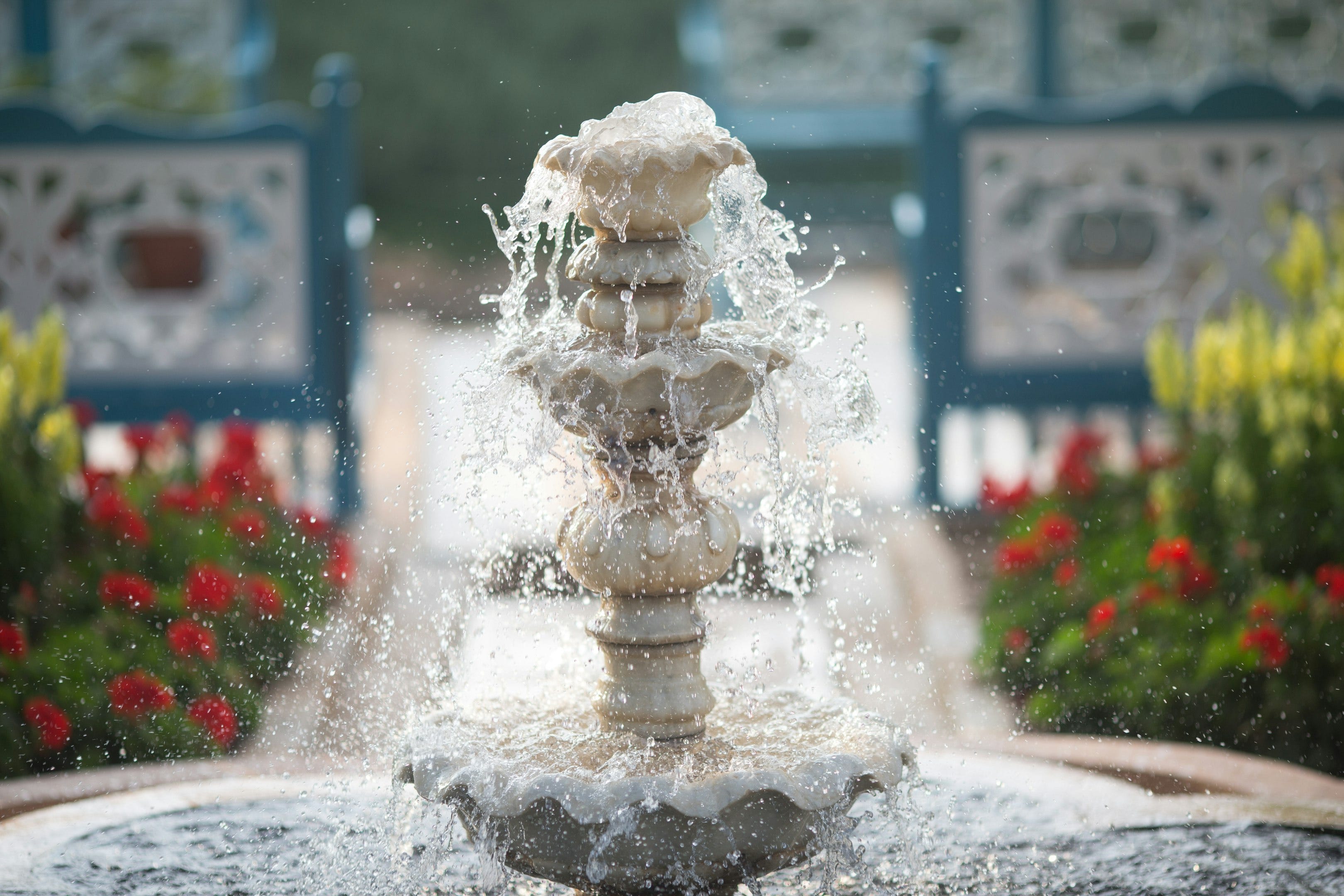
Fountain at the Riḍván Garden. Copyright © Bahá’í International Community.
From the Fast to Naw Rúz, the Bahá’í New Year, and now the Festival of Ridván, we are moving through a sacred season in the Bahá’í calendar—one filled with renewal, joy, and spiritual significance.
With the arrival of the first day of Ridván, the “Most Great Festival,” we enter a twelve-day period commemorating the moment in 1863 when Bahá’u’lláh publicly declared His mission as a Messenger of God for this age. For Bahá’ís, this moment represents the spiritual springtime of humanity—a new chapter in the story of our collective life on earth.
In the Bahá’í writings, this moment is described not only as a historical event, but as a profound spiritual reality. Bahá’u’lláh writes that on that first day of Ridván, all creation was “immersed in the sea of purification” and called to a new standard of moral and spiritual life. Among the most compelling expressions of this new standard is a simple yet revolutionary instruction: to associate and keep company with the followers of all religions in a spirit of friendship.
Verily, all created things were immersed in the sea of purification when, on that first day of Ridván, We shed upon the whole of creation the splendours of Our most excellent Names and Our most exalted Attributes. This, verily, is a token of My loving providence, which hath encompassed all the worlds. Consort ye then with the followers of all religions, and proclaim ye the Cause of your Lord, the Most Compassionate; this is the very crown of deeds, if ye be of them who understand.
—Bahá’u’lláh, The Kitáb-i-Aqdas, p. 47.
This teaching speaks powerfully to our time.
Each year during Ridván, I reflect on the mystical dimension of this idea of renewal. From a spiritual perspective, reality is not limited to what we can see. Even modern science points toward a universe that is deeply interconnected, dynamic, and unified at its foundations. From this “two-winged” perspective of science and spiritual wisdom together, the idea that humanity is one family feels less like an ideal and more like a description of reality itself.
If humanity is one family, then learning how to truly befriend one another across differences becomes one of the great moral tasks of our age.
Perhaps this begins in small, simple steps. We might pause to reflect on the circle of people in our lives. How diverse is it? How often do we intentionally create space for genuine friendship with those whose beliefs or traditions differ from our own? Have we ever attended an interfaith gathering, shared a meal across cultures, or asked someone about the beliefs that shape their life?
We might also ask ourselves what assumptions or hidden prejudices still live in our hearts, and what questions are stirring within us about how we can truly learn to love people whose experiences differ from our own. All of us have assumptions and subtle prejudices, and part of this journey is becoming conscious of them and gradually transforming them through education, prayer and meditation, and reflection.
Ridván invites us to see friendship across religions and cultures not as a social courtesy, but as a spiritual practice—one that contributes to the long journey toward justice, unity, and peace.
Perhaps one small action we can take during these days is simply to reach outward: to reconnect with someone from a different background, to listen deeply, to learn, and to nurture bonds of genuine friendship.
What a gift this could be for our world.
Joyous Ridván to all! Until next time, dear friends.
Enjoy this engaging history lesson on this holy period, created by Jordan Raj.
I love your reflections. Barbra, they are so inspiring!