
Sensitivity as Intelligence
In Organizational Life


Artwork, by unknown artist.
“Be anxiously concerned with the needs of the age ye live in, and centre your deliberations on its exigencies and requirements.” —Baha’u’llah
“The purpose of justice is the appearance of unity amongst men.” —Baha’u’llah
“The well-being of mankind, its peace and security, are unattainable unless and until its unity is firmly established.” —Baha’u’llah
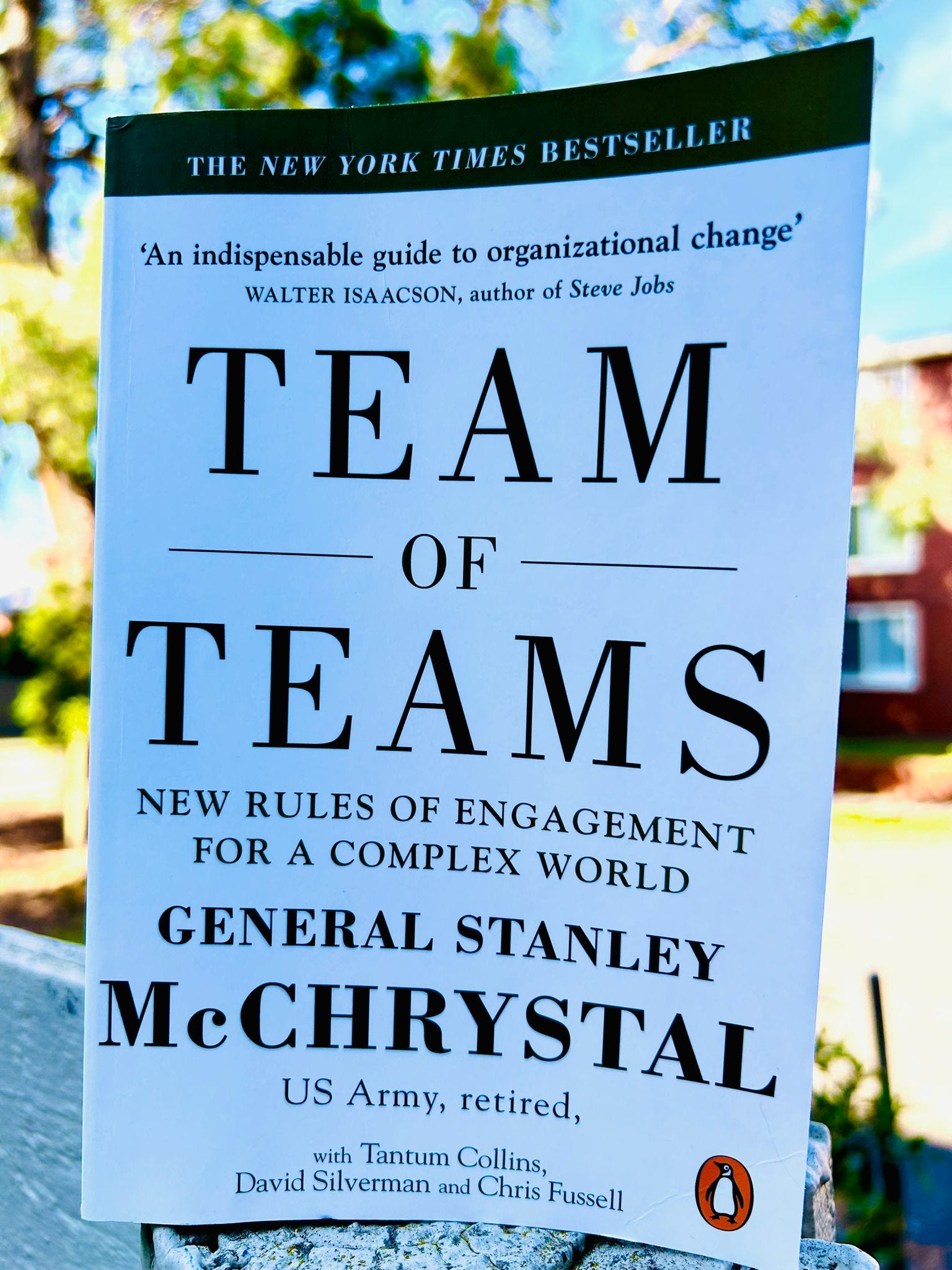
Against this backdrop, in a few weeks, I will begin an eight-week reading group hosted by the Association for Baha’i Studies Advancing Organization Special Interest Group exploring Team of Teams, a book about organizational design and change. The aim is not simply to read a leadership book, but to help build a Baha’i discourse on organizations—asking how spiritual principles illuminate leadership, participation, hierarchy, collaboration, and consultation in today’s complex world. This process involves engaging thoughtfully with prevailing ideas in society, identifying their insights and assumptions, and exploring how Baha’i perspectives can enrich the evolving discourse on organizations.
For me, this reading group feels like a natural next step in a long journey of exploring how spiritual insight and current thinking can meet in service of a more coherent and holistic vision of leadership.
Background
By way of context, I have spent thirty years in education, where the classroom has always functioned as a living organizational system populated by children, their parents, and fellow educators, requiring vision, culture, systems, reflection, collaboration, and constant adaptation. I entered the field with a lifelong commitment to education as a pathway for social justice, and throughout this time, leadership has never been a position—except when required—but a shared capacity for collective learning.
My training in Applied Positive Psychology, including a module in Positive Organizational Leadership, has also shaped how I think about purpose, flourishing, culture, and human potential within organizations. I have also engaged with transformative leadership frameworks, particularly Anello & Hernandez’s Transformative Leadership, where consultation is understood as a foundational practice for collective inquiry and just decision-making.
Having lived for nearly 25 years in China, I have also been shaped by alternative cultural and historical perspectives on organization, leadership, and collective life, which continue to inform my thinking in profound and enduring ways.
At the same time, I have been invited to participate in an upcoming city council workshop on risk management, governance, and identifying organizational red flags. I am also currently engaged in strengthening justice, reciprocity, and service at the family level through the practice of consultation. These parallel experiences feel meaningful. I am beginning to notice how I am being invited to look at organizations through multiple lenses at once—learning not only how they grow, but also how they fail, adapt, and are governed.
I am curious to see what will unfold.
The Unexpected Teacher
The book is written by a retired four-star general. When I first held the book, I felt a jolt of shock: I am really going to read this and learn from someone in the business of war? As an educator shaped by nurturing learning communities, I did not expect that one of my next teachers would be a military leader shaped by war.
Yet as I began reading, something unexpected happened. Instead of distance, I felt resonance, and, importantly, I sensed the author’s awakening. Very early in the introduction I encountered themes that felt deeply familiar: awareness, movement, sensitivity, agility, trust, adaptability.
The message felt clear and progressive—organizational life today requires continual learning and movement. It left me wondering and excited to ponder the connections to moral and spiritual education, progressive education, applied positive psychology, transformative leadership, and the unfolding of spiritual understandings of human development.
Sensitivity as Intelligence
One idea in particular has stayed with me: the recognition that sensitivity is a form of intelligence. Sensitivity as a heightened capacity for perception and responsiveness—a way of taking in reality with depth, nuance, and relational awareness. Contemporary research on highly sensitive individuals points to traits such as deeper processing of experience, greater empathic attunement, and heightened emotional responsiveness.
From a spiritual perspective, sensitivity can also be understood as a capacity that is refined and developed through spiritual education—a way of becoming more receptive and attuned to meaning, to others, and to the unfolding of reality itself. In this sense, it can be understood as a bridge between the human and the divine, cultivated through application of spiritual teachings, reflection, consultation, and inner awareness.
In the writings of the Baha’i Faith, qualities such as intuition, responsiveness, justice, and compassion to human need are deeply valued in spiritual education and leadership. These capacities are cultivated through spiritual and social development and are increasingly recognized as essential to collective decision-making in times of complexity and crisis. Seen in this light, sensitivity becomes not only a personal trait but a collective capacity — one that enables organizations and communities to perceive reality more clearly and respond with wisdom and unity.

Beginning the Journey
At this beginning point, as you can imagine, engaging with a book written by a military general working within the realities of war is, for me, both unexpected and deeply thought-provoking. His reflections appear to resonate with broader questions of leadership in our time—including the tensions between hierarchy and participation, command and consultation, and efficiency and unity in complex environments, questions that I am now beginning to explore more practically through this reading journey.
Over the coming weeks, I hope to share reflections from this unfolding exploration of leadership, organizations, and the deeper patterns shaping our world.
As I process my feelings and insights at this beginning, I offer these reflections as part of an ongoing inquiry into leadership and organizational life, at the intersection of lived experience, contemporary thought, and spiritual understanding—an inquiry that continues to unfold as I seek to better understand how unity, justice, and collective learning might be more fully expressed in the organizations of our time.
I would love to hear what your thoughts are about leadership in the modern age.
Enjoy this meditative music by John Doan, Into the Quiet, as we all contemplate the happenings of the world and pray for healing, guidance, and unity.
The purpose of learning should be the promotion of the welfare of the people…. True learning is that which is conducive to the well-being of the world, not to pride and self-conceit, or to tyranny, violence and pillage.
—Baha’u’llah, from a Tablet—translated from the Persian, Social Action, no. 142
Thank you for sharing your thoughts on leadership and your personal reflections as you continue to grow. I always appreciate your gift for articulating your inner journey. I admire your dedication to actualizing your values and maximizing your positive impact on the people in your life and on the world, in general. I especially enjoyed the snippet of meditative music by John Doan have found him on Spotify so I can listen to more of his music! Warm Wishes to you, Barbara.